Protect Your Home: Expert Roof Repair Services for All Needs
In our rapid modern era, roof problems can quickly escalate from minor irritations to major problems. Numerous property owners are unclear about when to repair or replace their roofs. Understanding the multiple types offered and their advantages can make a significant impact. Since these choices affect both resilience and energy efficiency, examining expert options proves critical. What elements should one consider when undertaking a roofing project? The solutions may astonish you.
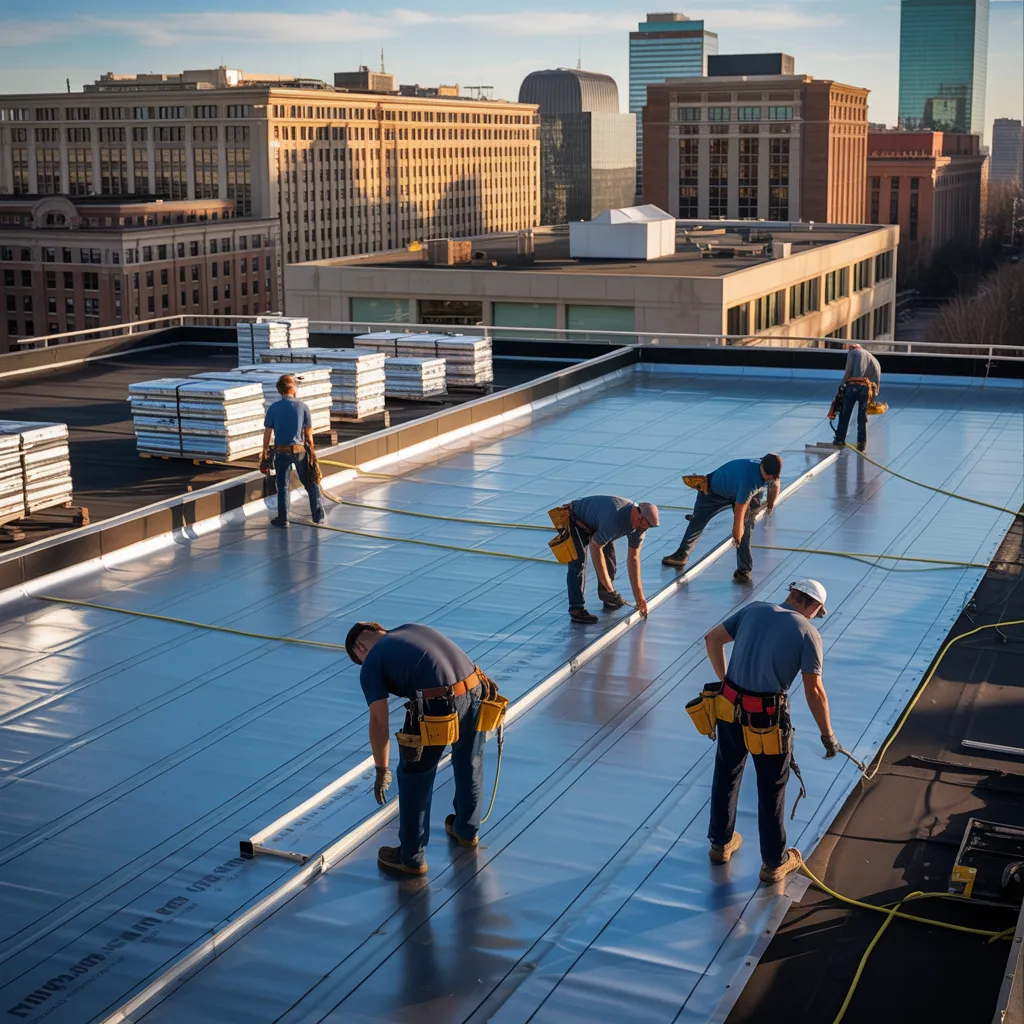
Recognizing Prevalent Roofing Concerns and Remedies
How can homeowners successfully diagnose typical roofing problems before they intensify? Consistent reviews are vital for finding concerns early. Homeowners should spot visible signs such as gone or broken shingles, which can expose the hidden layers to moisture. Additionally, checking for granule loss in gutters can suggest roof wear. Water stains on ceilings or walls may indicate leaks, and residents should inspect the attic for signs of moisture or mold.
Another essential point is looking at flashing around chimneys and vents, since deterioration in these spots can cause considerable leaks. Homeowners should also monitor sagging areas, which may indicate structural problems. By staying vigilant and making routine checks, homeowners can address roofing issues promptly, potentially avoiding expensive repairs. In general, proactive identification of these common issues fosters a healthier roof and strengthens the longevity of the home’s structure.
Should You Fix or Replace Your Roof
After recognizing common roofing problems, property owners must decide whether to fix or replace their roof. This choice often depends on the level of damage and the roof's total age. Small leaks or isolated damage can typically be resolved with fixes, especially if the roof is fairly new. However, if a roof is nearing the end of its life—usually 20 to 30 years for most materials—replacement may be the more cost-effective option in the long run.
Homeowners should also examine the repair intervals. If continuous challenges present themselves, it may reveal that a complete replacement is important to safeguard the home's durability. Additionally, factors including thermal efficiency and design attractiveness can impact the decision. Ultimately, engaging a certified roofing expert can furnish valuable perspective, enabling homeowners arrive at an knowledgeable choice that fits with their financial needs and future intentions.
Understanding Different Roofing Materials for Your Home
When choosing roofing materials, homeowners face multiple choices, each with distinct characteristics. Asphalt shingles offer affordability and ease of installation, while metal roofing provides long-lasting durability and efficiency improvements. Additionally, tile roofing is renowned for its resilience and aesthetic appeal, rendering it a favored option in many regions.
Asphalt Shingles Introduction
Asphalt shingles have become a favored choice for homeowners seeking a combination between budget-friendliness and durability in roofing materials. These shingles are typically made from a fiberglass base saturated with asphalt, offering resilience against various detailed article weather conditions. Available in a range of colors and styles, asphalt shingles can elevate a home’s visual charm while providing reliable protection. They generally fall into two categories: 3-tab and architectural shingles, with the latter providing increased thickness and longevity. The installation process is simple, making them a popular option among contractors. Additionally, asphalt shingles require minimal maintenance, which helps their widespread use. Overall, they serve as a sensible solution for homeowners looking to shield their shelter without breaking the bank.
Metal Roof Benefits
Though property owners often prioritize price and visual appeal, the perks of metal roofing extend far beyond these considerations. Metal roofs are famous for their durability, often enduring 40 to 70 years, far outpacing standard roofing materials. They are immune to extreme weather, including high winds and significant snowfall, which boosts their longevity. Moreover, metal roofing is lightweight, diminishing structural demands on homes. Its ability to reflect heat can cause decreased utility bills by maintaining cooler indoor temperatures in hot climates. Additionally, metal roofing is green, often made from recycled materials and fully recyclable at the end of its life cycle. With minimal maintenance required, metal roofs offer a practical, durable investment for homeowners seeking consistency and efficiency.
Durable Tile Roofing Solutions
Tile roofing provides a distinctive combination of strength and visual charm, which makes it a popular option among homeowners. Recognized for its long life, tile roofs can last beyond 50 years with proper maintenance. They resist severe weather conditions well, including high winds, heavy rain, and extreme temperatures. Furthermore, tile materials like clay and concrete are fire-resistant, adding an additional level of protection.
The weight of tile roofing necessitates a sturdy load-bearing structure, but once fitted, it necessitates minimal maintenance. It also promotes energy efficiency, deflecting sunlight and decreasing cooling costs. Overall, tile roofing excels for its capacity to blend durability with visual charm, making it an outstanding choice for long-term home preservation.
Wallet-Friendly and Environmentally Responsible Perks of Energy-Efficient Roofing
Energy-efficient roofing works toward not only a ecological environment but also offers significant cost economies for dwelling owners. By utilizing materials that reflect sunlight and reduce heat absorption, these roofs help copyright lower indoor temperatures, generating decreased energy consumption for heating and cooling. This reduction in energy use can manifest as lower utility bills, providing sustained financial benefits.
In addition, many eco-conscious roofing options are constructed to be sturdy and low-maintenance, further decreasing future upgrade or repair costs. Homeowners may also enjoy from prospective tax credits or reductions for setting up green roofing products.
In addition, these roofing solutions can increase property value, resonating with eco-conscious buyers. By choosing energy-efficient roofing, homeowners acquire a product that not only protects their property but also aligns with a commitment to eco-friendliness, making it a sound financial and ecological choice.
Choose the Right Roof Professional
Finding the appropriate roofing contractor is crucial for securing a fruitful project. It is vital to authenticate qualifications and experience, as these elements greatly affect the merit of service. Moreover, reviewing a contractor's work samples and endorsements can supply important knowledge into their dependability and craftsmanship.
Verify Qualifications And Background
A experienced roofing contractor can greatly impact the longevity and quality of a roofing project. Therefore, verifying credentials and experience is essential for homeowners looking for reliable service. First, potential clients need to confirm that the contractor holds a license and insurance, as this protects them from liability in accidents. Furthermore, looking for industry certifications may show a contractor's dedication to high standards and continuing education. Knowledge of specific roofing materials and techniques is also important; a contractor with a demonstrated record in similar projects is more apt to provide positive outcomes. Homeowners should inquire into the contractor’s experience and specialties to ensure they choose a professional who can fulfill their distinct roofing needs well.
Examine Your Portfolio And References
Reviewing a contractor's credentials and testimonials is vital in locating the right roofing specialist. A complete portfolio demonstrates earlier jobs, highlighting the contractor's skill and quality. Homeowners should scout for multiple roofing styles and materials that display range and competence. Additionally, client recommendations give understanding of the contractor's consistency, craftsmanship standards, and client care. Reaching out to former clients allows homeowners to evaluate contentment ratings and identify any potential issues. It is wise to ask specific inquiries about work schedules, communication standards, and ongoing help. By meticulously reviewing both the project history and testimonials, homeowners can reach a better choice, confirming their roofing undertaking is handled by a experienced and trustworthy expert.
Easy upkeep tips to maintain Your Roof enduring Longer
Although many homeowners may neglect roof maintenance, regular upkeep is essential for extending its longevity. Routine inspections can detect potential issues early, such as damaged shingles or debris accumulation. Homeowners should aim to inspect their roofs at least twice a year, particularly after severe weather events. Clearing leaves and branches and accumulated debris can avoid water accumulation, which may lead to leaks and mold growth.
Additionally, homeowners should check gutters and downspouts, making sure they are clear to allow optimal drainage. Preserving trees trimmed to prevent branches touching the roof helps minimize wear and tear. Addressing minor repairs promptly is vital; small leaks can quickly escalate into major problems if ignored. Finally, administering a protective coating can strengthen durability against harsh weather conditions. By implementing these simple maintenance tips, homeowners can greatly extend the life of their roofs and protect their investment.
Budget Preparation for Your Roofing Job
Effective cost management for a roofing project requires careful organization and consideration of various factors. Homeowners should commence by reviewing the scope of the project, including materials, labor, and any necessary permits. It is vital to research different roofing materials, as costs can vary considerably based on quality and longevity. For instance, asphalt shingles may be less expensive initially, but metal or tile options could provide better long-term value.
Furthermore, obtaining multiple quotes from reputable contractors helps guarantee competitive pricing. Financial planning should also consider unforeseen damage that may occur during the project, so setting aside a emergency reserve is advisable. Finally, homeowners should consider financing options if the finances is limited, allowing them to control expenses without compromising quality. By taking these steps, homeowners can create a practical financial plan that meets their roof requirements while protecting their fiscal health.
Regularly Requested Answers
What Is the Lifespan of a Typical Roof Before Requiring Replacement?
A typical roof continues between 20 to 50 years, contingent on materials and maintenance. Elements such as environmental factors, quality of the installation, and element contact greatly determine its longevity and overall performance over time.
What Guarantee Options Exist for Roof Materials and Setup?
Multiple guarantees are accessible for roofing materials and installation, including manufacturer warranties, which generally address defects, and labor warranties, which protect against installation errors. Duration and terms vary with product and contractor.
Can you find tailored roofing solutions designed for extreme weather conditions?
Specialized roofing solutions intended for extreme weather conditions exist, including impact-resistant shingles, reinforced metal roofs, and advanced waterproof membranes. These materials enhance durability and resistance against severe winds, heavy rains, and hail damage.
How Do I Find a Credible Roofing Contractor?
To identify a trustworthy roofing contractor, one should verify proper licensing, read customer reviews, verify insurance coverage, request references, and compare multiple quotes to guarantee quality and professionalism in their services.
What Should I Do During a Roofing Crisis?
In the event of a roof crisis, he should prioritize safety by avoiding the area, evaluating damage from a distance, and reaching out to a professional roofer immediately. Rapid response can stop additional deterioration and ensure proper repairs are made.